David Schmitz · 2 September 2026
The community in Palora celebrated the opening of a new cooperative studio founded by local artisans dedicated to traditional crafts. This venture represents a collective effort to sustain and grow the cultural practices that define the region. Artisans from various disciplines have united to create a shared workspace that promotes efficiency and innovation while honoring age old methods.
Founding and Structure of the Cooperative
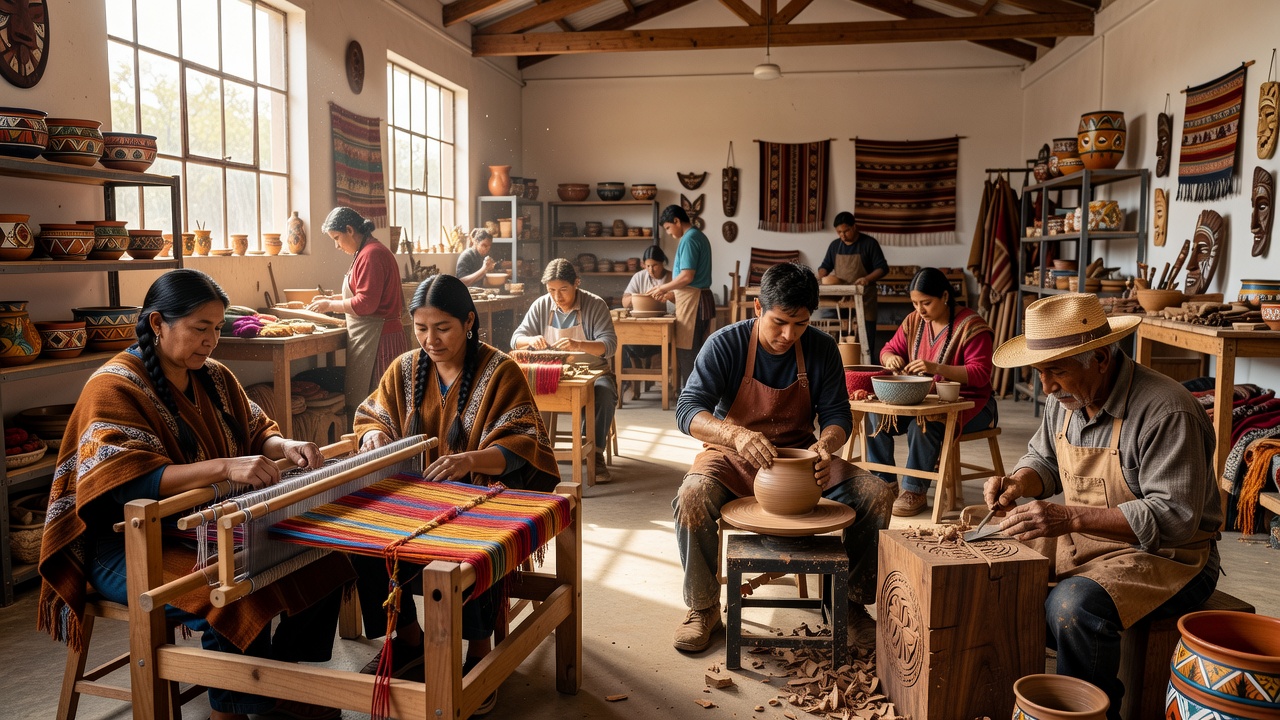
The idea for the studio emerged from informal gatherings where artisans discussed challenges such as rising material costs and limited market access. After several meetings they formed a cooperative with a democratic governance structure. Each member has an equal vote in decisions regarding operations and finances. The studio includes sections for pottery making with kilns, weaving looms for textiles, and carving tools for woodwork. Initial funding was secured through community fundraising events and small business loans. Fifteen founding members include veterans like Elena Vargas who specializes in embroidery and newcomers bringing fresh perspectives. They produce goods ranging from decorative items to functional household objects all infused with Palora motifs. Regular open days allow the public to engage with the artists and learn about the processes involved. This setup not only helps in cost sharing but also builds a supportive network for creative endeavors.
The cooperative emphasizes ethical sourcing of materials from local suppliers to minimize environmental impact and support the regional economy.
Cultural Preservation and Economic Growth
By establishing this studio the artisans aim to keep Palora's cultural heritage alive for future generations. Workshops and classes will be offered to school children and adults interested in acquiring skills. This educational component is crucial in a time when younger people are often drawn to urban opportunities. Economically the cooperative is expected to increase visibility of Palora crafts through joint marketing campaigns and participation in trade fairs. Preliminary projections suggest a twenty five percent rise in sales within the first six months. Local businesses are also benefiting as the studio attracts visitors who then explore other parts of the town. Cultural festivals organized at the studio will feature live demonstrations and storytelling sessions highlighting the history behind each craft. Such activities foster a sense of pride among residents and strengthen community ties. The success of this model could inspire similar initiatives in nearby areas contributing to a broader revival of artisanal traditions across the region. Government officials have commended the project for its potential to drive sustainable development while preserving intangible cultural assets.
Plans for expansion include adding a gallery space and online sales platform to reach wider audiences.